


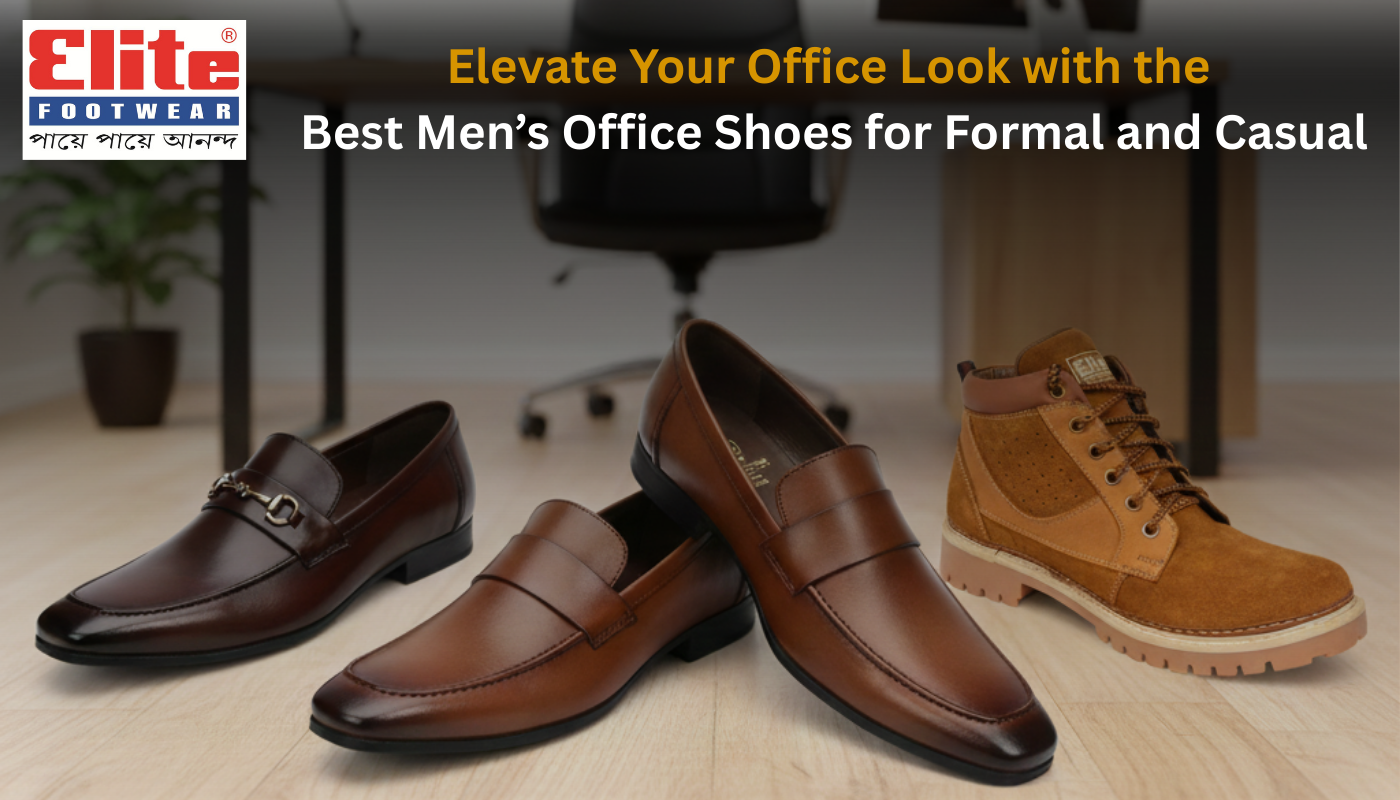
Finding the best men’s office shoes that seamlessly transition between business formal and business casual wear can be tricky. Choosing the right footwear means striking a perfect balance between professionalism and comfort that suits your daily office environment. Whether you’re gearing up for an important client meeting or a relaxed Friday at work, understanding the nuances between business formal and business casual shoes will elevate your office style and confidence.
Understanding Business Formal and Business Casual Shoes
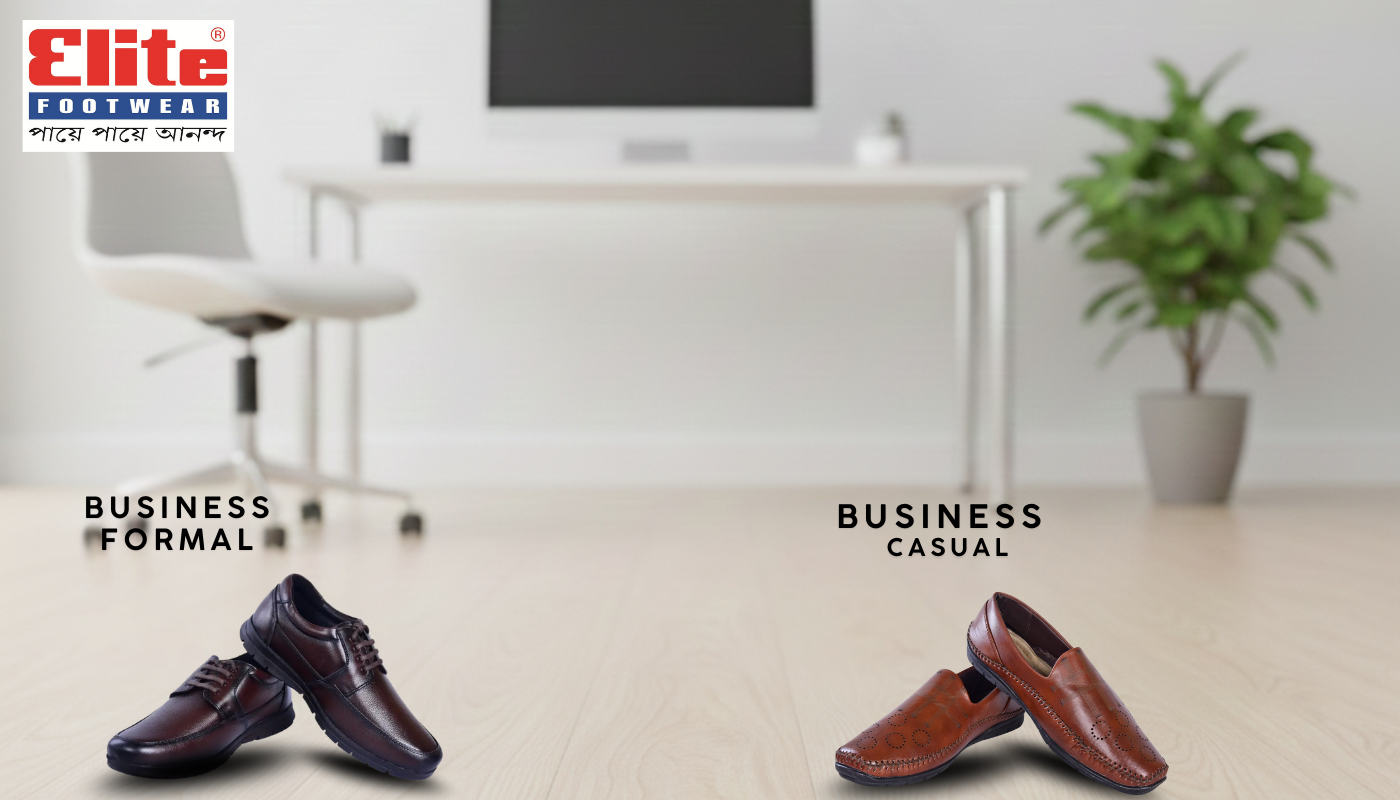
The wardrobe distinction between business formal and business casual is crucial, especially when selecting men’s office shoes. Business formal calls for polished, classic footwear—the kind that pairs effortlessly with suits and formal trousers. Classic Oxfords, leather Derbies, and sleek Monk Straps in black or brown colors dominate this category, offering sophistication for interviews, presentations, or corporate events.
In contrast, business casual shoes offer versatility and comfort with a relaxed edge. Loafers, brogues with perforation details, casual derbies, and even stylish leather sneakers fit the business casual mold. Colors trend towards various shades of brown, tan, and occasionally even subdued greens or navy, broadening your styling options while maintaining an office-appropriate look.
Key Styles for Men’s Office Shoes
Business Formal Styles
- Oxford Shoes – The epitome of formal footwear, Oxfords with closed lacing are perfect for polished appearances. Stick to high-quality leather with a glossy finish for maximum impact.
- Derby Shoes – Slightly less formal but still elegant, Derbies offer open lacing and greater comfort, suited for long office hours.
- Monk Strap Shoes – With buckle closures, monk straps add a stylish twist without compromising formality.
- Cap Toe and Wingtip Details – Classic design elements that denote sophistication. Wingtip shoes, while traditionally formal, can lean towards business casual if styled correctly.
Business Casual Styles
- Loafers – Slip-ons with a relaxed silhouette, loafers are office staples that blend comfort and style seamlessly.
- Brogues – Decorative perforations and medallions on brogues add a playful yet professional character to outfits.
- Chelsea Boots – An excellent alternative for cooler months, offering elegance with subtlety.
- Leather Sneakers – Modern workplaces allow sleek leather sneakers to complement chinos and blazers for a contemporary business casual look.
Colors and Materials: What Works Best?
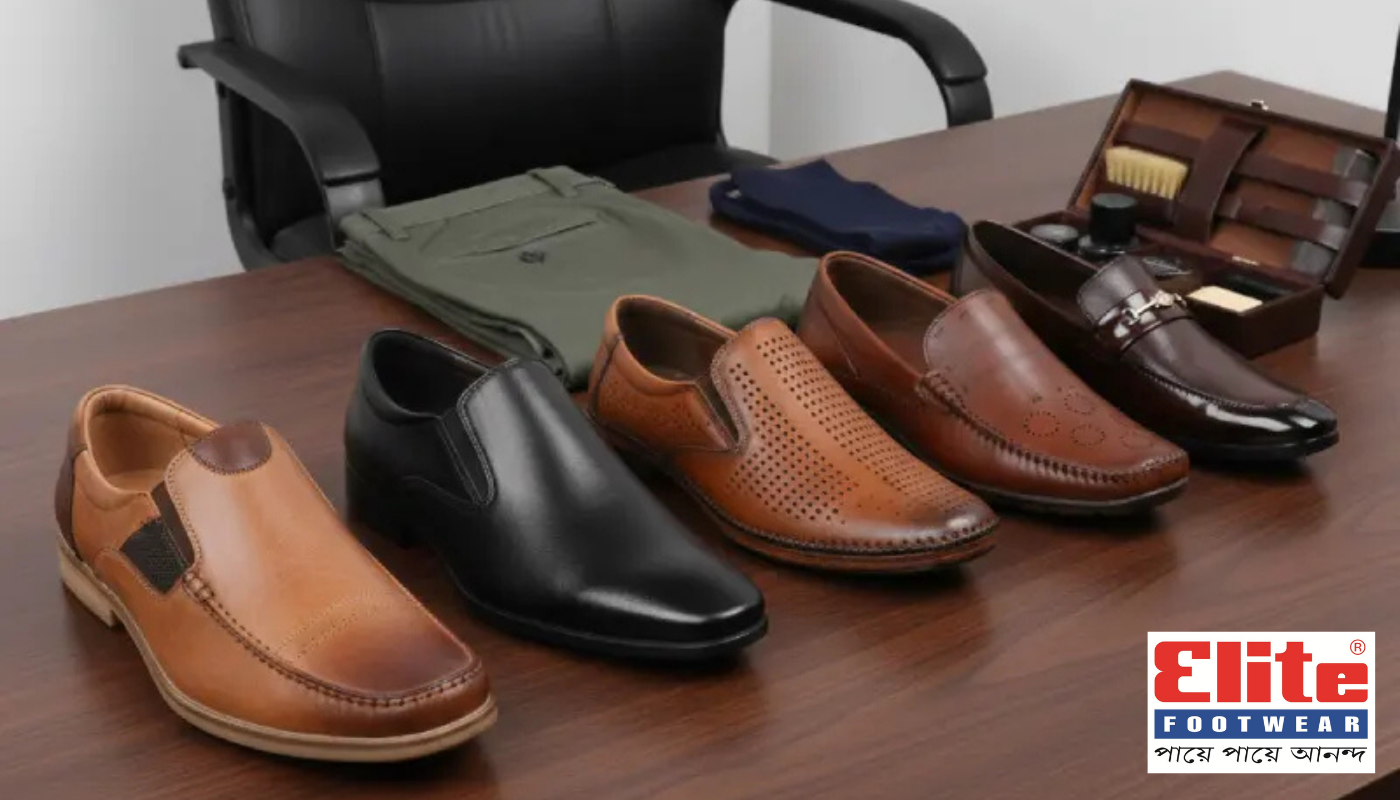
For the best men’s office shoes, material and color are just as important as style. Leather remains the dominant choice, prized for durability, breathability, and polished aesthetics. While black is the gold standard for business formal shoes, brown, tan, and grey tones are favored for business casual wardrobes, giving more room for personality and versatility.
Suede is popular in business casual shoes for a softer, less formal look but should be avoided in rainy or challenging climates due to its delicate nature. Textured leathers like pebble grain add interest to both formal and casual shoes.
Styling Tips for Every Occasion
When dressing for the office, footwear anchors the entire look:
- For meetings or formal presentations, rely on the best men’s office shoes like polished black Oxfords or elegant Monk Straps paired with a tailored suit.
- Casual Fridays or team outings call for loafers or brogues in lighter brown shades with chinos or dress pants.
- Match your belt color to your shoes for a cohesive look.
- Avoid overly casual footwear like sandals or athletic sneakers in formal settings.
- Maintain your shoes well-shined and clean to uphold professionalism.
Comfort Meets Style: The Modern Office Shoe
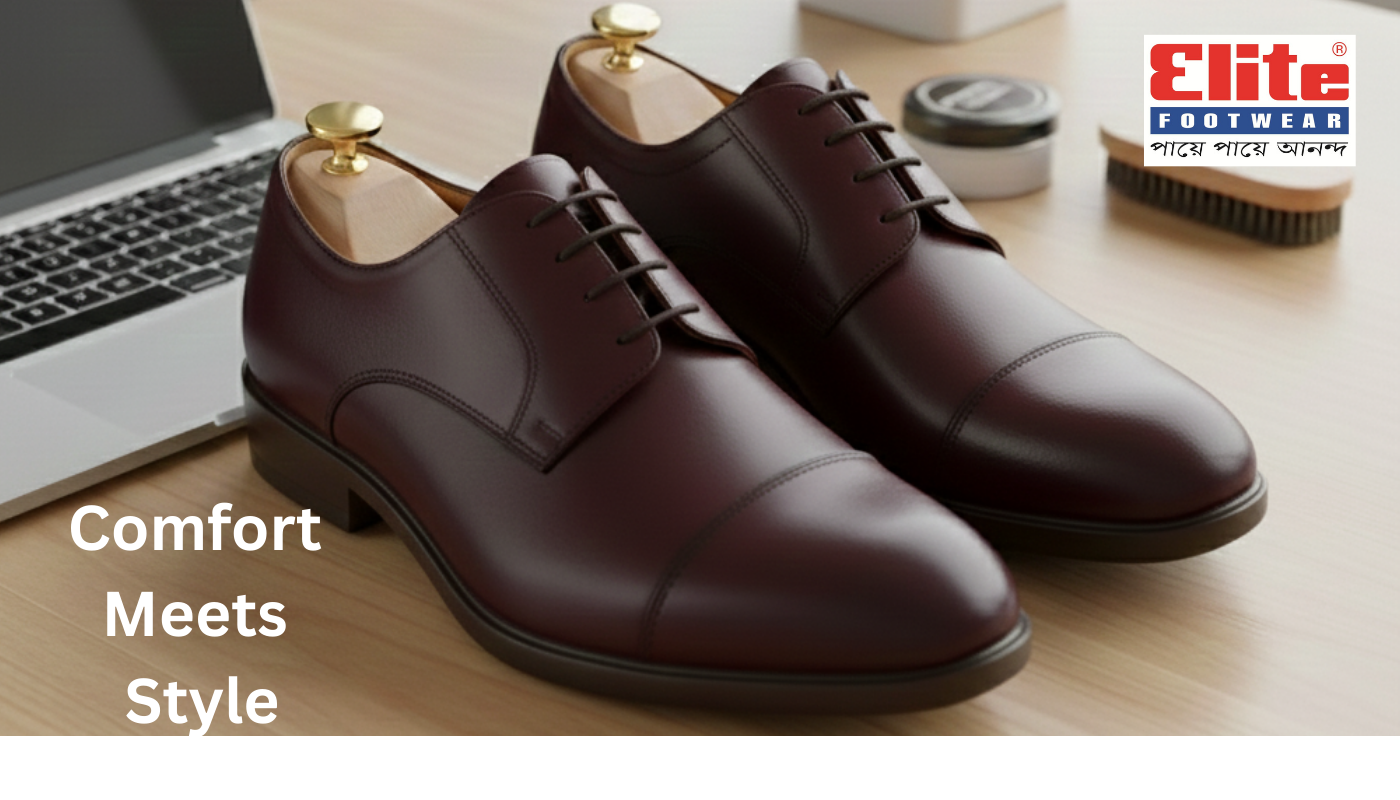
Gone are the days when style meant sacrificing comfort. Today’s office shoes blend ergonomic designs with classic aesthetics. Cushioned insoles, breathable uppers, and lightweight soles ensure you stay comfortable during long office hours without compromising your polished appearance. Many brands now incorporate innovative materials and technologies, such as moisture-wicking linings and impact-absorbing midsoles, making every step in the office a pleasure. Choosing shoes that support foot health can also reduce fatigue, improve posture, and enhance your overall workday experience.
Buying Tips for Men’s Office Shoes
- Prioritize fit first; poorly fitting shoes can cause discomfort and health issues.
- Choose styles that complement multiple outfits to maximize versatility.
- Consider shoes with replaceable soles or good warranty options.
- Invest in quality leather and craftsmanship for durability.
- Shop both online and offline to find the perfect pair that meets your needs.
- Don’t hesitate to try different brands and styles to discover what feels best for your foot shape and lifestyle.
- Take care of your shoes with regular cleaning, polishing, and use of shoe trees to maintain shape and longevity.
Choosing the best men’s office shoes that define your professional image while offering comfort is an achievable goal. With the right knowledge, you can confidently navigate between business formal and business casual dress codes, selecting shoes that complement every occasion. Invest in quality, care for your footwear, and let your style speak volumes about your professionalism. Explore our collection today to find your perfect pair and step up your office shoe game effortlessly!
FAQs about Business Formal vs Business Casual: The Best Men’s Office Shoes for Both
-
What is the primary difference between business formal and business casual shoes?
Business formal shoes are highly polished and conservative, suitable for suits and formal events; business casual shoes are more relaxed, often with lighter colors and varied materials.
-
Can loafers be considered business casual?
Yes, loafers are a staple of business casual wear due to their slip-on convenience and versatile styling.
-
Are leather sneakers acceptable in business casual office settings?
Sleek leather sneakers are increasingly accepted in business casual environments, especially when paired with smart pants or chinos.
-
What colors are best for formal office shoes?
Black and dark brown are the safest and most traditional choices for formal office footwear.
-
How often should office shoes be polished?
Ideally, shoes should be polished after every few wears to maintain their shine and extend longevity.
-
Are monk strap shoes formal or casual?
Monk straps strike a balance; they can be formal with the right outfit and casual with less structured attire.
-
How do I break in new office shoes comfortably?
Wear them at home with thick socks initially, gradually increasing wear time. Using shoe stretchers or inserts also helps.
-
What material is best for year-round office shoes?
Full-grain leather is durable and breathable, making it suitable for all seasons.
-
Should I always match my belt to my shoes?
Yes, matching belt and shoe color/material enhances your outfit’s cohesiveness.
-
Can brown shoes be worn with a black suit?
Traditionally no, but in business casual settings, a dark brown shoe can complement some black outfits.
-
Are Chelsea boots appropriate for business casual?
Chelsea boots are stylish and fit well within business casual dress codes.
-
What features make office shoes comfortable?
Cushioned insoles, arch support, breathable lining, and lightweight soles contribute to comfort.